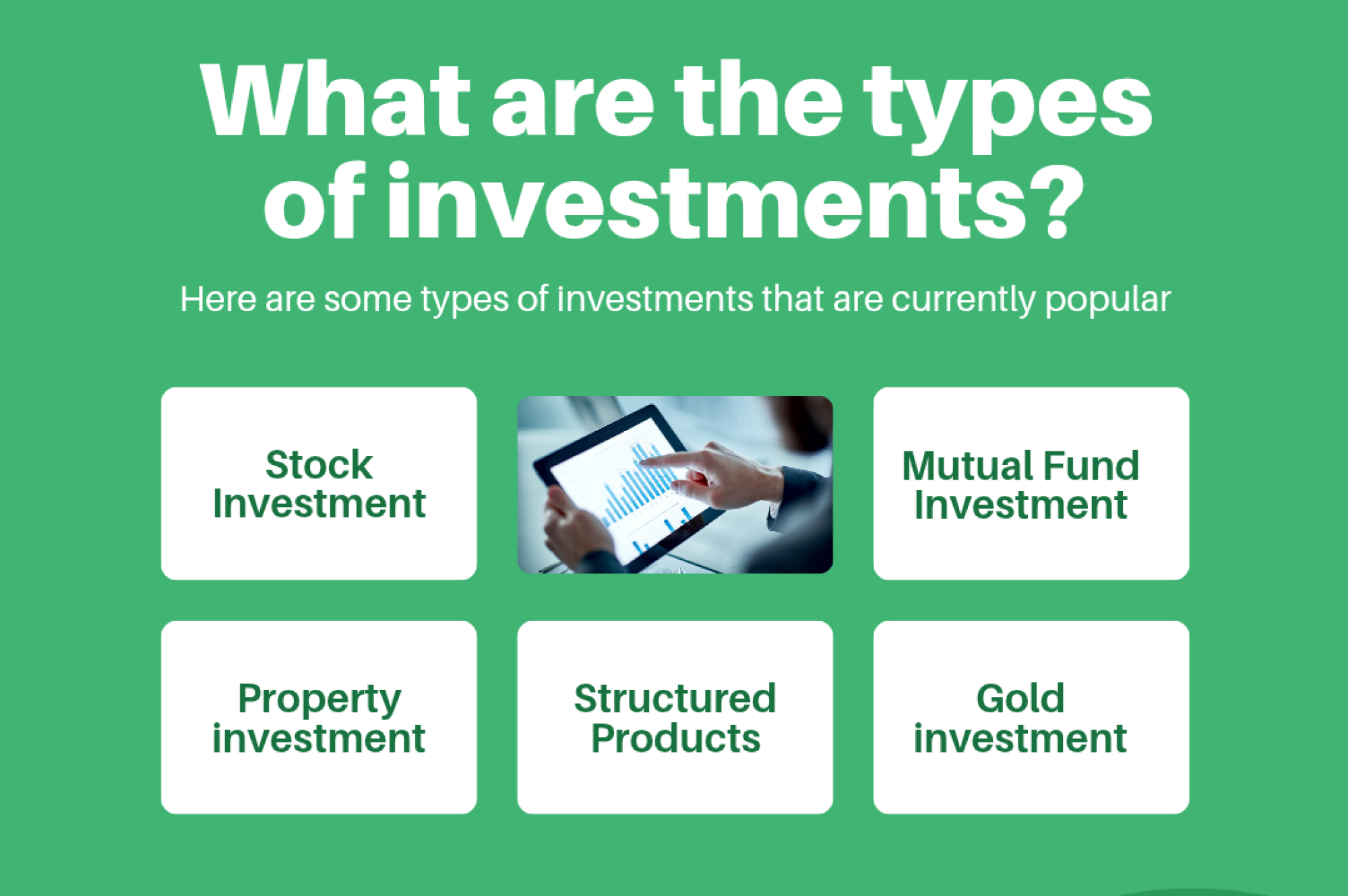
A question which most Investors think about is “What should be my asset allocation Strategy”?. It is generally believed that Equity exposure should decrease as age increases and vice versa. Some investors think that Equity and Equity based products are too risky and avoid them altogether. Equity is, however, an essential part of any good Portfolio. The proportion of Equity in your Portfolio should depend on a number of factors such as your Age, Education, Job Security, Disposable Income, Number of Dependents, access to Insurance, etc. Another important factor is your understanding of Equity and Equity based products. Investors who understand how Stocks perform, and have experienced success with Equity Investments, tend to be more confident about investing in Equity Funds.
An asset allocation could consist of:
1. 50% to Equity based Mutual Funds.
2. 20% to International Equity Funds.
3. 20% to Fixed Income Funds.
4. 10% to Money Market Funds.
So if you have a SIP of INR 50,000 per month, INR 25,000 could go into Equity Funds, INR 10,000 into International Equity Funds, INR 10,000 to Short Term Debt Funds and INR 5,000 to Liquid Funds. This is a reasonably safe and balanced approach in my opinion. SIPs are better than lump sum investments and an amount like INR 30,000 per month SIP in One Scheme should be split into daily SIP of INR 1,000 to take advantage of daily market volatility.
Strategic asset allocation is better than Tactical asset allocation. Also, Passively Managed Equity Funds are better than Actively Managed Equity Funds, but we don’t have a broad-based Passively Managed Equity Fund in India, yet. Real Estate and Real Estate Investment Trusts (REIT) can also be used as a part of asset allocation strategy, although Real Estate remains elusive as an Investment option (Excluding Self Occupied Home and Second Home) for most investors.
There are 2,153 Dollar Billionaires in the World as per Forbes 2019 Billionaires list. There are also two thousand Mega Cap Companies in the World as per the Forbes Global 2000 list. Following these Billionaires and tracking their investment patterns can give insights as to where you should be investing next!
 Mungekar Wealth