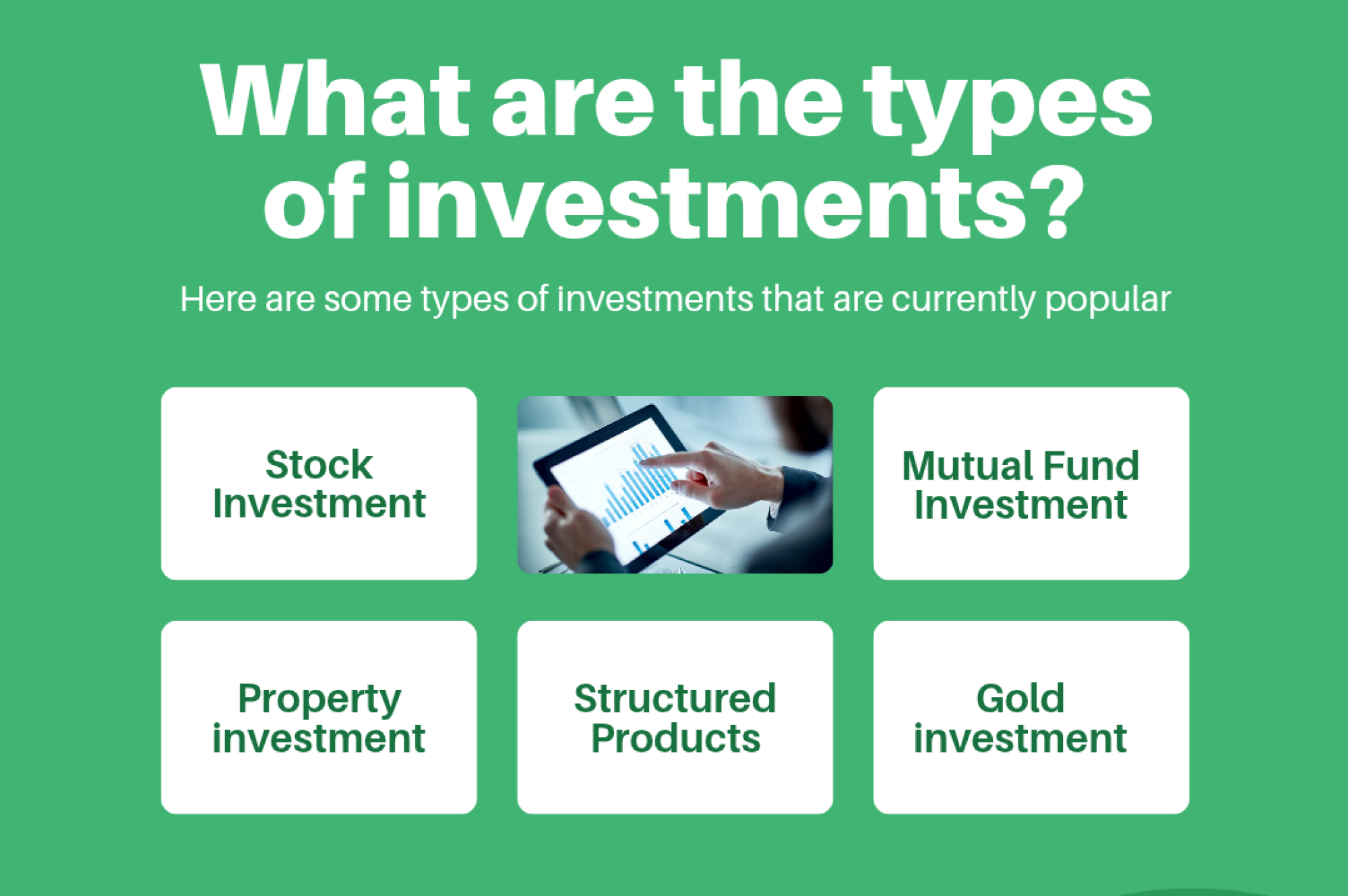
All of us are aware about investments in shares and mutual funds. We have also heard about investments in Private Equity firms and Venture Capital Firms. This articles segregates the investments in the above four investment options and how they differ from each other. There are some other types of funds such as Hedge Funds, Pension Funds, Fund of Funds, and International Funds. But these funds essentially invest in the first four category.
So let me start with Venture Capital Funds. Venture capital funds invest in new companies. Companies which are startups and are still at the stage of an idea or concept. Very few ideas or concepts, materialize into reality, and hence, these are the most risky form of investments. From what I presume, the percentage of firms started using VC (Venture Capital), less than 5% may succeed and reach the next level. However the firms which succeed may more than compensate the investor for the losses in the remaining 95% investments. Thus being highly risky, very few people can afford to participate in such ventures. The minimum investment amount as suggested by AIF (Alternate Investment Funds) regulation by SEBI in VC Funds is Rs 1 crore Indian Rupees. Also the VC fund and its sponsors need to be evaluated for their performance and past track record. A VC investment may typically be expected to last for 3-4 years before maturity or default.
The next lower level of investments, in terms of risk is in Private Equity (PE) Funds. PE funds take over companies which have survived as startups for a few years and are now slightly qualified for further investment for growth and expansion. Thus PE funds take over companies from VC Funds. The returns may be slightly moderated, but so does the risk level. The Blackstone Group is an example of a PE fund. The maturity of your investments in PE funds remains at 3-4 years and the minimum investment regulation, also stipulates an investment of at least Rs. 1 crore. The PE fund may list the company on the local Stock Exchange and exit from the investment or it may continue to run the enterprise as a private operation. Many PE funds do not like to operate the organization once the returns have moderated and the company has stabilized and hence they may list the company on a stock exchange and exit the investment, either completely or partially.
The third type of investment, in terms of level of risk, is stocks, which are listed on a stock exchange. Although stocks / scrips are considered quiet risky, they are much less riskier than investments in PE or VC funds. While investing in stocks, the investor has to consider several aspects about the company and economy, which include, but are not limited to Operating margins, Return on Capital Employed, Return on Equity, Price/ Earnings ratio, Debt Equity ratio. It also includes analysis of qualitative aspects such as quality of management and corporate governance, background of directors, background of the company, etc. It may also include economic analysis of the environment in the country and globally.
The fourth lower level of investment in terms of risk is Mutual Funds. Although mutual funds also continue to be risky, they are less risky as compared to investments in the above three categories. The parameters for analyzing Mutual Funds are Sharpe Ratio, Compounded Annual Growth Rate, Rolling returns, AUM of the fund, tenure and back ground of the fund manager and the AMC etc. Mutual Have some major advantages over investing directly in stocks, such as facility for investing small amounts, Systematic Investment Plan (SIP), Power of compounding, i.e. the invested amount keeps growing through compounding effect as the years go by, management of funds by a well-qualified and experienced fund manager who is assisted by a team of research analysts, etc.
In terms of asset class, investors can invest in Equity, Bonds, Commodities and Currency. All four need to be carefully studied and analyzed before investing in.
If you read any financial newspaper today, the two things you will come across most about are, the funding of new startups by VC and PE firms and the technology based startups growing up at different places. In my opinion these two things occupy maximum space in financial newspapers, alongside, news about corporates, politics and the capital markets.
The size of the Venture Capital Industry is estimated at about USD 200 billion and the size of the Private Equity Industry is estimated at around USD 2000 billion. The size of the BSE in terms of market cap is about USD 2187 billion. The size of the Mutual Fund Industry (AUM) is approximately USD 1818 billion in India. Thus we can understand that the size of the VC and PE industries globally is in line with the BSE market cap. In addition to the VC and PE companies, there are a lot of Corporates and Financial Institutions which are engaged in funding new startups. If we add such investments by Softbank, Alibaba, Microsoft, Google, etc, the amount will be much bigger. Another thing which is very clear is that Finance, Technology and Retail are three industries which are going to play a major role in the economy of the future.
 Mungekar Wealth