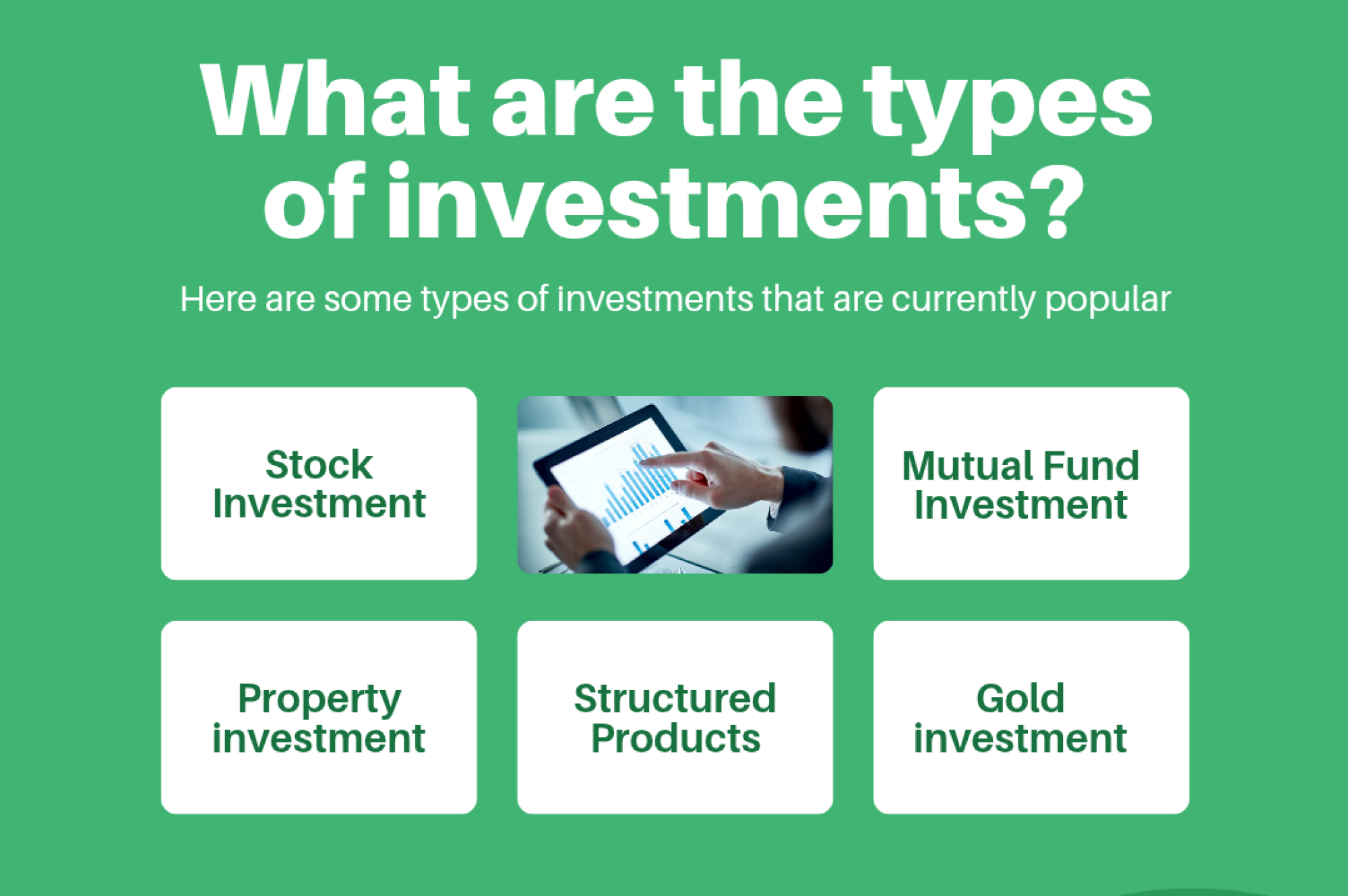
So, you have been investing for a while and you even managed to choose your own mutual funds. But what next? Are you getting the returns that you expected in the first place? Are you happy with the Investments you have made? If the answer to these questions is no, you need to revisit your financial plan.
The first step in making investments is to do an analysis of your Cash Flows and your Goals. So how much are you currently earning? How much are you spending each month. And how much are you saving each month? This will give you an idea about how much money you can allocate to investments each month.
The next step is to make an analysis of your goals. What are your short term, medium term and long-term goals? Make a list of your goals so we can start by focusing on the near-term goals first and allocate more resources to them.
Also before you start investing it is good to take care of three more important things first. First: Do you have a health insurance for self and dependents? Second: Do you have Term Insurance to protect your dependents in case of any calamity? Third: Do you have an emergency fund?
An emergency fund is a savings which you can use in case of unfortunate events such as loss of job or employment. It is advised to have adequate health insurance, term insurance and an emergency fund before you start investing. The emergency fund should ideally be equal to one year’s family expenses. It should be kept in a bank fixed deposit or a liquid mutual fund.
Then comes the investment part. For your short term goals, i.e.the goals which need your resources within the next year or two years, you should invest in short duration debt based mutual funds. Make sure that the funds don’t carry any credit risk and portfolio concentration risk. If you don’t understand these terms consult a good investment advisor.
For your medium term goals you can allocate your resources into hybrid funds. Hybrid funds are mutual funds which invest a certain portion into Equity and the rest into Bonds and other Fixed Income products. You should choose good Balanced hybrid funds and Equity Savings funds for your medium term goals. Medium term goals are goals which need your attention about five or six years from now.
For your long-term goals like retirement or other goals which can wait for about ten years or more you must allocate resources to pure equity funds. Pure equity funds are highly volatile in the short term but can be considered reasonably stable from a long-term perspective. Among equity funds you should divide your resources between Index funds, large cap, mid cap and small cap funds. It is recommended that your allocation to mid and small cap funds is less than fifty percent of your allocation to index and large cap funds. Proper selection of funds is very important. So if you don’t have the credentials to analyse good funds from the bad ones, don’t hesitate in consulting an investment advisor.
Finally stick to your financial plan and do not digress from it in good times or bad. Irrespective of whether the financial markets are in good shape or bad do not give in to the temptation or pressure to redeem your investments. Having a good financial advisor by your side to guide you will do wonders to your investment decisions and your decision to stay invested.
Finally, two last words. Make use of SIPs instead of lumpsum investments and make use of the power of compounding. Power of Compounding is often referred to as the eight wonder of the world. Simply put, the earlier you start and the longer you stay invested, the better it is for wealth creation and achieving your goals.
 Mungekar Wealth