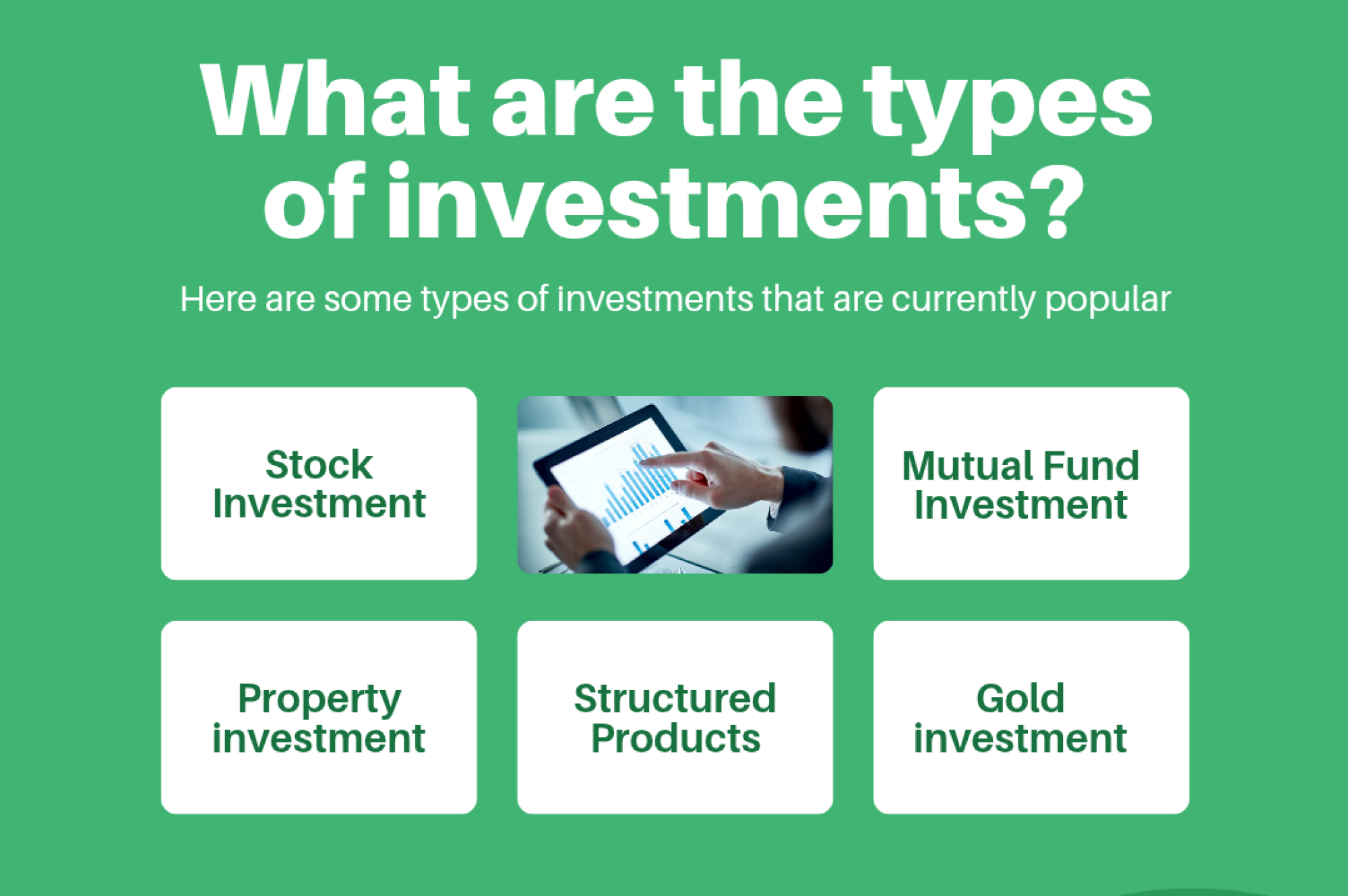
India is a flourishing country with a large middle-class population. The total population of India as of February 2022 is 1.4 billion people. About 600 million or 40 per cent of India’s population lies in the middle-class bracket. Although these numbers vary depending upon the source of study. In this article, we are going to look at some of the investment options available to common Indian people.
Most of the common Indian people are engaged in some form of employment. Sometimes both the parents are earning members of the family. In some cases, persons may be engaged in business or some other form of self-employment. Bread earners need to follow the below guidelines to protect their families from any unforeseen financial event and ensure the safety and financial security of the family.
- Create and maintain an amount equal to the annual expenses of the family in a Fixed Deposit or Savings Account. The purpose of these savings is to provide financial security to the family in case of job loss or an emergency. This amount is called an emergency fund.
- Buy adequate health insurance to cover all family members including senior citizens in the family. The amount spent on Health Insurance is deductible from Income Tax payable up to Rupees 25 thousand under section 80D. The amount spent on health insurance of parents is deductible under 80D to the extent of Rupees 25 thousand if the parents are below 60 years of age and Rupees 50 thousand if the parents are over 60 years of age. A critical illness cover is also recommended for each family member.
- Buy adequate life insurance cover for the bread earners in the family so that the dependent family members get adequate compensation in the unfortunate event of death of the bread earner. While choosing life insurance you must buy a term plan and not any other life insurance like Money Back or Whole Life or Endowment Plan or ULIP. While choosing the life insurance company you must scrutinize the claim settlement ratio of the insurance company. The higher the claim settlement ratio the better it is. The term cover should be equal to twenty times the gross annual income of the person.
- You should prepare a financial plan for your family after considering your various goals. If you don’t know how to prepare a financial plan you may take the assistance of a financial advisor.
- Based on your financial plan allocate your savings into different mutual fund schemes. While investing in mutual funds always follow the Systematic Investment Plan instead of lump-sum investments. An allocation should be made to Gold to some extent to protect your investments during any kind of financial or political crisis in the economy.
- Avoid the use of Public Provident Fund and National Pension Scheme as these investments have a very long lock-in period and the returns potential is not very high. Also, when it comes to NPS, you have to compulsorily invest 40 per cent of the redemption proceeds into an annuity. Annuities have very low return potential.
- While withdrawing money invested in mutual funds make use of the Systematic Withdrawal Plan.
There are several articles available on our website which can guide you through the details of investments in mutual funds, insurance and stocks. You can browse through those articles to get a better understanding of these types of investments. Also, if you want further details of investment options available to common Indian citizens, do get in touch with us.
 Mungekar Wealth