Ever since the pandemic there has been a multifold increase in the number of demat accounts held by depositories. Also, there has been a similar increase in the number of folios ( mutual fund accounts) held by the mutual fund companies. During the same period the BSE Sensex rebounded from a bottom of 29000 points to 80000 plus points in the last four and a half years. That’s almost two hundred percent absolute return in the last four and half years.
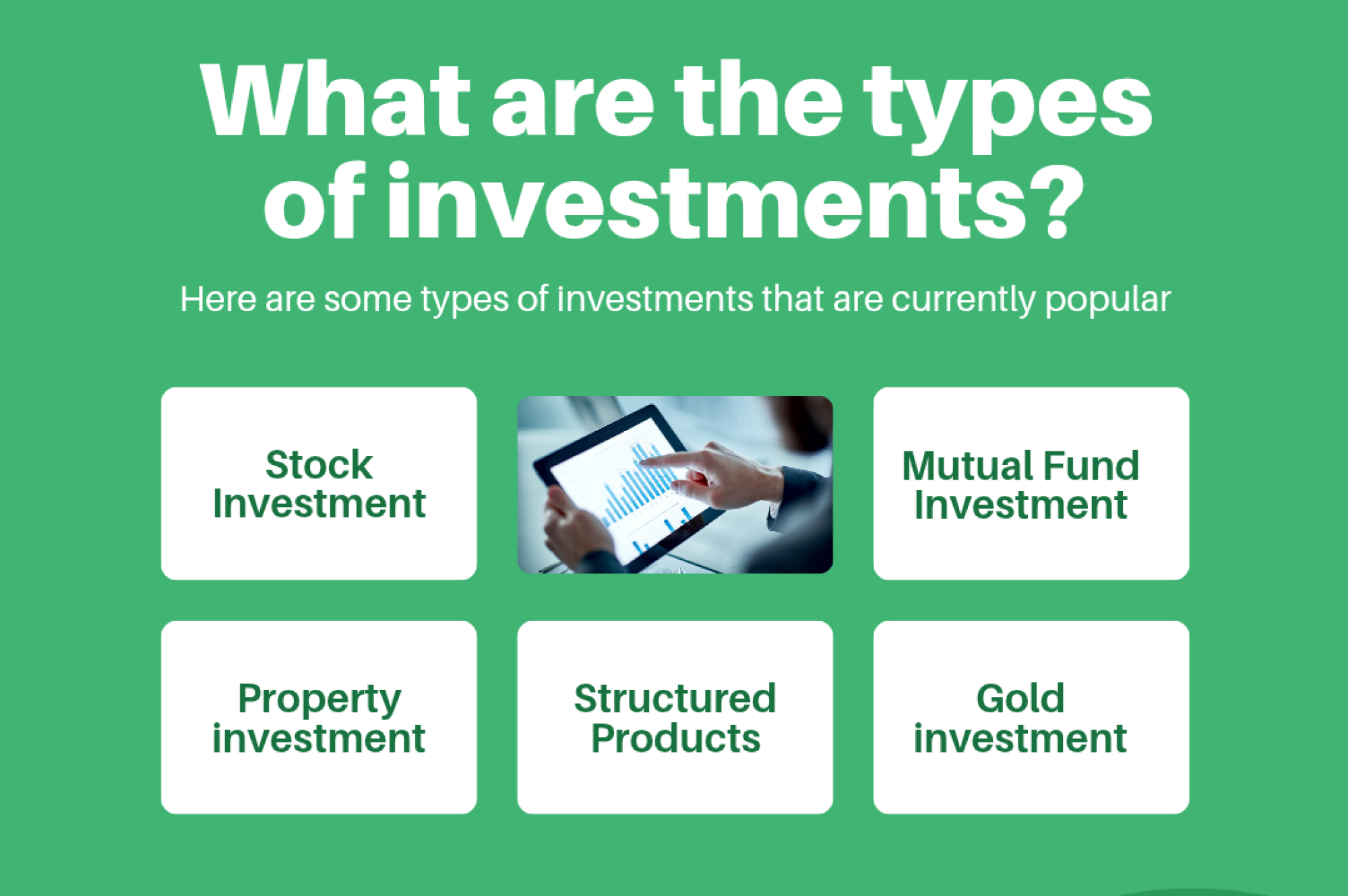
One fact which stands out is that many small investors are choosing shares over mutual funds. There are some innocuous limitations to choosing shares over investments in mutual funds.
Investments in shares are best suited for investments which are reasonably large. At least fifty thousand or a lakh per scrip. Such a large amount does not allow investors to diversify their portfolio to twenty or twenty different stocks. Because for effective diversification a corpus of 25 lakhs will be required. Effective diversification helps to limit the risks associated with individual stocks.
Investments in mutual funds are managed by professional fund managers who are supported by a large team of Research Analysts. Every investment by the fund manager is done after a careful evaluation of macro and micro economic factors and company fundamentals. This kind of professional management and research support is not available to small investors who are by far on their own to guide their way in the stormy waters of the stock market.
It is also a convenient strategy to invest in mutual funds through SIPs, Systematic Investment Plans. This process is automated, hence it cultivates better investment discipline. Direct investments in shares does not facilitate automated, periodic, regular investments.
Mutual Funds allow easy redemption as well as regular periodic redemptions using the Systematic Withdrawal Plan, the SWP. It also allows for partial withdrawals and regular partial withdrawals. It is also possible to invest a large amount by breaking it up into small pieces and investing it over a period of a year or two through the STP (Systematic Transfer Plan).
If you are a large investor, commonly known as an HNI, who has access to a large investment corpus and readily available information and knowledge about which shares to pick and when to sell them, it would probably make sense to allocate a certain percentage of your portfolio to direct investments in Equity shares. But even then a major portion of the portfolio would make better sense to be invested in equity based mutual funds or a good PMS ( Portfolio Management Services).
 Mungekar Wealth