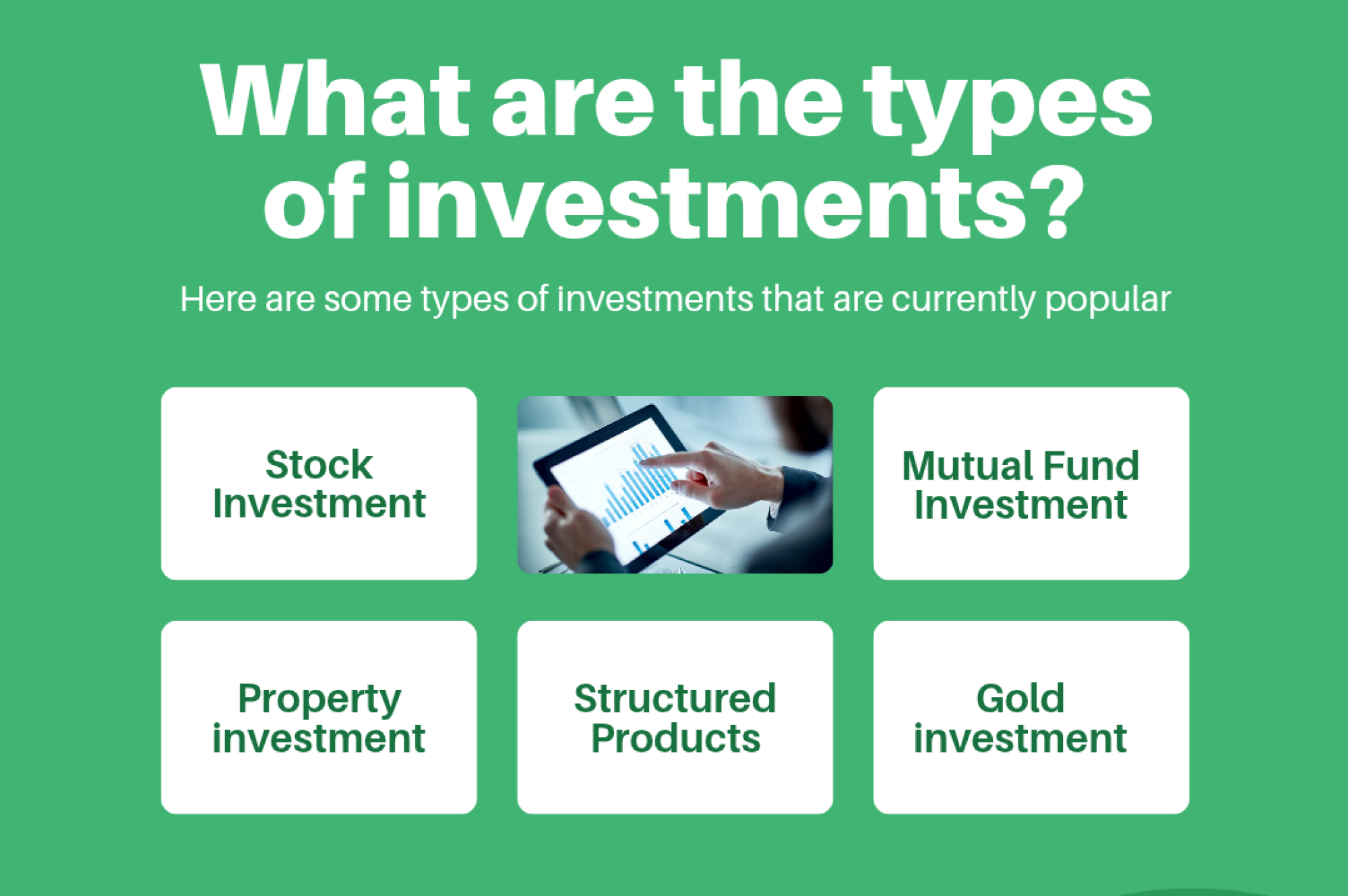
Most people invest money in different asset classes as per their knowledge and experiences. So why do you need a financial plan? A Financial Plan is a comprehensive plan created after taking into consideration an investors financial goals, risk profile, age, income, expenses, wealth, number of dependents, life expectancy, and such factors. Its aim is to help the investor achieve his financial goals like retirement planning, children’s education, children’s wedding, vacation, buying a house, buying a car and the like. It also aims to protect the investor and his family from financial difficulties on account of job loss or loss of income, health concerns or loss of life.
The first step in creating a financial plan is to do a thorough risk profile of the investor and other income earner’s in his family. The risk profile helps to understand the investor’s perception about investments and his thought processes and comfort level with various asset classes and the risk involved in investing in them. It also helps to understand his investment psychology, and expectations of returns from his investments.
A risk profiler is a simple questionnaire which enables the investor to open up about his investment and financial beliefs and concerns. A rating is given to the investor based on the answers he provides in the questionnaire. Further investment advice is shared with the investors using the risk profiler as a foundation. This also helps to set the right expectations about how much returns the investor may get based on the risk he is willing to take.
After the risk profiling is done, some more information is sought from the investor such as his age, number of dependents, household income, and stability of income, wealth, and existing investments if any. His views on future plans and goals are noted. Based on his risk profile and information noted above a financial plan is created for the investor to enable him to achieve his financial goals and plan for them. A comprehensive plan is presented to him about how much he needs to invest in various asset classes and when. Provisions are made for emergencies by creating a contingency fund, taking adequate insurance cover for health concerns as well as protection of income against loss of life.
The resources available with investor are then invested as per the financial plan. A proper asset allocation is maintained to minimize investment risk and optimize gains from the investments. Further the plan so created and implemented needs to be monitored periodically to ensure that it is in line with expectations. Underperforming investments or those not meeting expectations have to be redeemed and reinvested in line with financial goals. Usually annual reviews of the portfolio are done, unless the portfolio is fairly large and needs more frequent attention.
Ongoing amendments are made to the portfolio depending on the changing needs of the investor and his changing lifestyle. Changes are also made depending upon the investment outlook for the various investments made. This is a continuous process and is to be carried out throughout the life of the investor, even after he retires.
A financial plan helps the investor to identify his financial goals and take necessary steps at the right time, to achieve them. Without a financial plan, life’s priorities may not be realized and there would no plans made and no steps taken to achieve them.
 Mungekar Wealth